Finding the Best Medical Labs Near You: How to Choose a Testing Center
Looking for local medical labs near me? From New York to Los Angeles, learn how to find reliable diagnostic centers, check for insurance coverage, and book appointments fast.
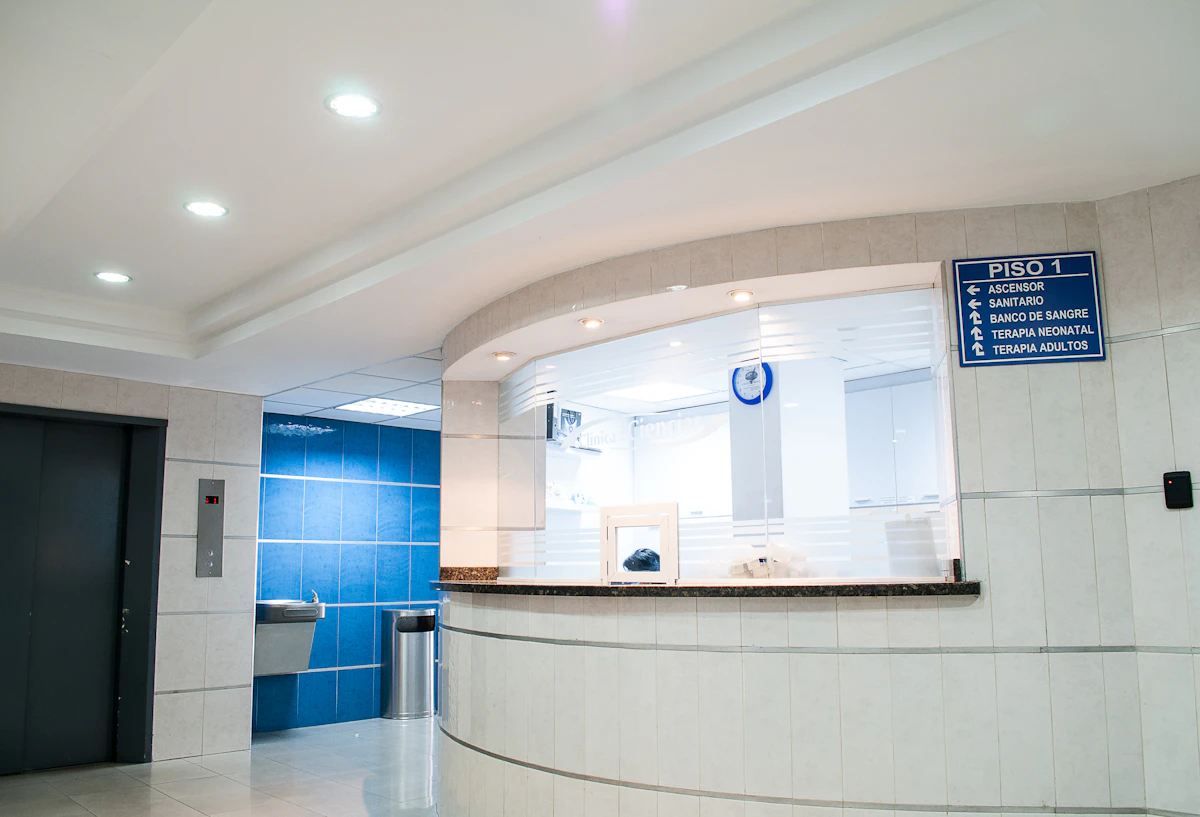
When your doctor orders a blood test, urine analysis, or imaging scan, your first thought is likely: “Where is the best medical lab near me?”
Whether you’re in a major metropolitan area like Chicago or a smaller suburb, choosing the right diagnostic center is crucial for accurate results, a smooth experience, and avoiding unexpected medical bills. Here’s a complete guide to finding the right lab facility in your local area.
Why Does Your Choice of Lab Matter?
Not all medical laboratories are exactly the same. While most certified facilities meet strict federal regulations, they can differ significantly in:
- Turnaround time: How fast you (and your doctor) get the results.
- Insurance networks: Whether your specific health plan covers the test at their facility.
- Wait times & walk-ins: Whether you need an appointment or can simply walk in during your lunch break.
- Phlebotomist skill: The experience of the staff drawing your blood (crucial if you have “hard to find” veins).
Step-by-Step: Finding a Reliable Lab Near You
1. Check Your Insurance Provider’s Network
Before typing “blood test lab near me” into a search engine, always start with your health insurance portal. The most popular national chains in the United States, such as Quest Diagnostics and Labcorp, are in-network for most major carriers (like Blue Cross, Aetna, Cigna, and UnitedHealthcare), but there are exceptions.
Using an out-of-network lab can leave you responsible for the entire bill.
2. Compare National Chains vs. Hospital Labs
- National Chains (Quest, Labcorp, AnyLabTestNow): These are usually the most cost-effective and have hundreds of locations, making it easy to find one near your home or office. They also offer robust online patient portals.
- Hospital Outpatient Labs: If you’re near a major hospital system, they often have their own outpatient drawing stations. These are highly reliable but can sometimes be more expensive if your insurance doesn’t have preferred rates with that hospital.
- Local/Regional Independent Labs: Many cities have local lab chains that offer exceptional service and fast turnaround times. Always double-check their certifications (look for CLIA certification).
3. Read Local Reviews
Search for the specific location on Google Maps or Yelp. Pay attention to reviews mentioning wait times, the friendliness of the staff, and the ease of scheduling. Even national chains have good locations and bad locations depending on local management.
Questions to Ask Before You Go
Once you’ve found a local lab, give them a quick call or check their website to confirm:
- “Do I need an appointment?” Many labs allow walk-ins, but scheduling online can save you hours of waiting.
- “Do I need to fast?” For tests like lipid panels or fasting glucose, you typically need to avoid food for 8-12 hours prior. Ask the lab or your doctor to confirm.
- “Can I get my results online?” Ensure the lab has a patient portal where you can securely access your digital records.
Understand Your Results Fast
Getting your blood drawn locally is only half the battle. Once your results come back to your patient portal, they are often filled with confusing medical jargon.
Instead of waiting days for your doctor to call you with an explanation, use the MedGPT app. Simply upload a screenshot or PDF of your lab report, and our AI will translate your local lab results into plain English, comparing your numbers to standard reference ranges.
Finding a reliable local medical lab doesn’t have to be stressful. By checking your insurance network, reading local reviews, and understanding how to access and interpret your results, you can take control of your diagnostic health journey today.
Sources & Citations
MedGPT relies on internationally recognized medical organizations and research to ensure our content is accurate, trustworthy, and evidence-based.